

The package arrives, and you can’t wait to see the dress you’ve been dreaming about. But as you hold it, reality sets in, it’s not what you expected. The color is off, the fabric feels cheap, and suddenly, you’re overwhelmed with buyer’s remorse. This emotional rollercoaster is a common part of online shopping.
The initial thrill of finding a gem is followed by the potential letdown when it arrives. It’s a feeling of regret shoppers know well, akin to homeowners who regret buying a house without a proper home inspection.
The rise of “Buy Now, Pay Later” options, such as Klarna and Afterpay, makes it tempting to click “buy,” but this convenience can amplify post-purchase disappointment if we’re not careful.
What if you could spot the warning signs before confirming your order? Here are seven red flags to watch for and effective strategies to help you avoid buyer’s remorse when shopping for clothes online.
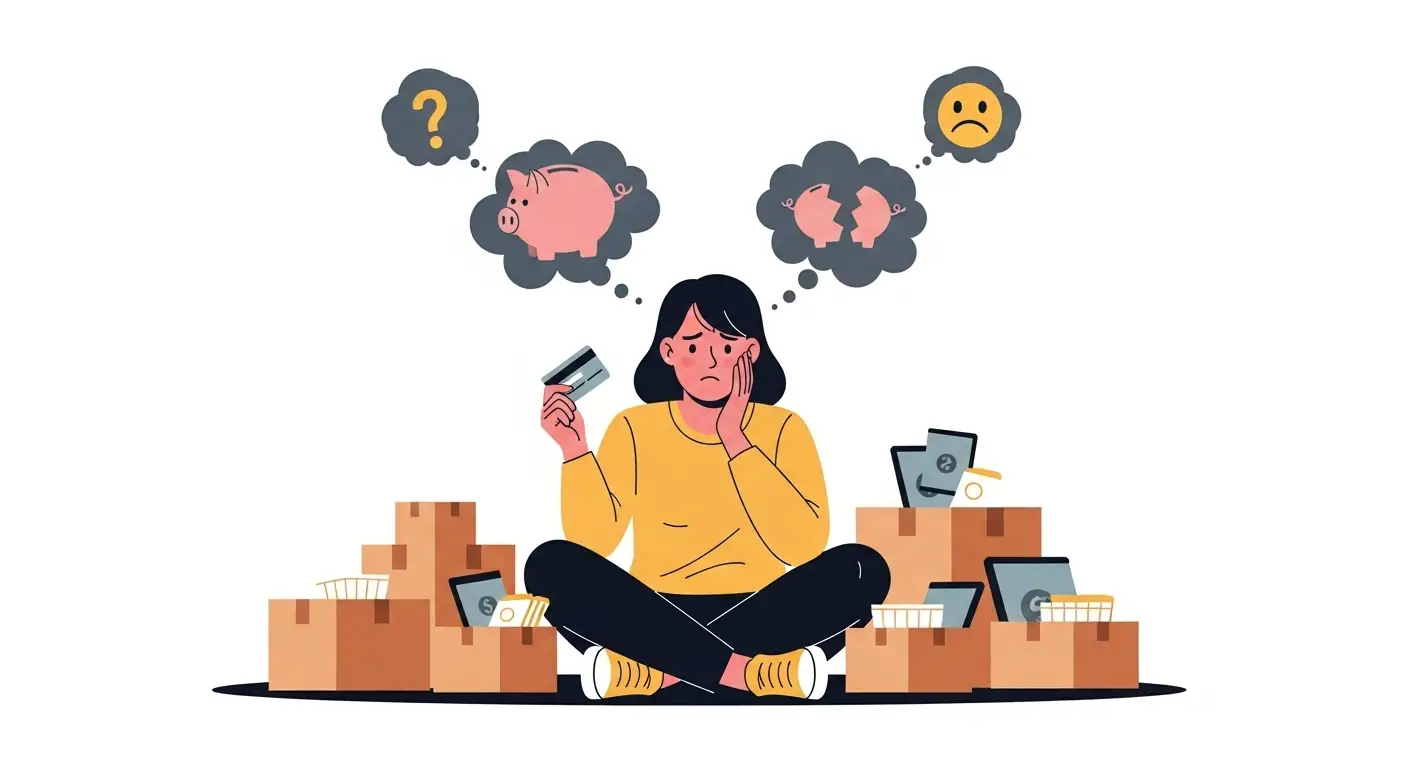
You’ve just snagged a stunning dress in a flash sale, heart racing with excitement until it arrives. The color’s off, the fabric feels cheap, and a wave of regret or anxiety washes over me. This is buyer’s remorse, and it’s why we need to avoid remorse.
That dissatisfaction can spiral into second thoughts, making you second-guess whether you could’ve gotten a better deal elsewhere, maybe at a lower price. For a homebuyer, it’s even worse: picturing potential remorse after a rushed deal, despite the FTC’s cooling-off periods for some purchases.
Marketing campaigns fuel impulsive buys, tempting us to overspend. So, what steps can you take? Research, compare, and reflect on the distinction between needs and wants, as well as ways to avoid regret. A real estate agent or home inspection can save homebuyers from heartache. Mindful buying decisions dodge that sinking feeling, ensuring joy, not stress, in every purchase.
That whisper of a deal, the one that feels like a secret just for you, is often the first step toward the sting of buyer’s remorse. A price that defies logic is the loudest red flag, a siren’s call luring you toward post-purchase regret.
It’s a heart-stopping moment: the designer bag you’ve coveted, listed at 90% off. A jolt of adrenaline eclipses caution. But this initial thrill can quickly sour, leading to a profound feeling of regret or anxiety. The psychology behind this is powerful, mirroring the high-stakes hope found in house hunting, where you desperately want the dream to be real.
That incredible price often hides a darker truth. It’s a classic path to financial regret, signaling counterfeit goods, shoddy quality, or an outright scam where you get nothing at all. The Federal Trade Commission (FTC) warns about these ploys. The customer experience after purchasing this is almost always disappointment.
To avoid this trap, take these simple steps. Before you buy, copy the product name and search for it on other reputable sites. This quick comparison is one of the most effective steps you can take to avoid a bad deal and the inevitable feeling of regret.
You tumble down a digital rabbit hole and land on a website that feels… off. It’s a chaotic jumble of flashing banners and mismatched fonts. This initial unease is your gut screaming a warning, a key step to help you avoid buyer’s remorse.
Imagine you’re house hunting; you wouldn’t ignore cracked foundations. The same applies here. The site is riddled with spelling mistakes, and product photos are blurry, pixelated messes. This isn’t just unprofessional; it’s a sign of a storefront built to collapse. The messy layout creates a feeling of regret or anxiety before you’ve even clicked “buy.” The psychology behind this is straightforward: chaos signals a lack of care, indicating a likely poor customer experience.
Such blatant errors are major red flags. The FTC warns that these sites often lead to financial regret. This is one of those crucial steps you can take to avoid a negative experience after making a purchase.
Trust your instincts. A legitimate business invests in its digital presence, much like a proud homeowner maintains their property. A professional site is a sign of a trustworthy seller. Walking away is the easiest way to avoid post-purchase regret.
A frantic pulse, a digital clock screaming “5 minutes left!” This is the manufactured urgency designed to trigger impulse buying. It’s a powerful tactic that exploits our fear of missing out, prompting us to purchase before we can consider whether we truly want or need the item.
That flashing timer creates a rush of anxiety after making you feel like you’ve stumbled upon the deal of a lifetime. The pressure mimics the high-stakes finality of a home sale, creating a now-or-never sense of urgency. This rush is the enemy of clear thought and the fastest route to a sharp pang of regret.
This isn’t about giving you a good deal; it’s about preventing you from thinking. The goal is to short-circuit your logic, making you leap before you look. This manufactured scarcity is a major cause of remorse among shoppers who later realize the product or service wasn’t right for them.
To avoid buyer’s remorse, close the tab. Unlike a major home purchase, where you might get three days to cancel, online deals are often final. A legitimate offer will still be there later, saving you from feelings of guilt and the nagging thought that you could have gotten a better deal elsewhere.
That moment of payment should feel secure, not suspicious. When a checkout page steers you away from standard options, it’s a critical warning sign to avoid buyer’s remorse and the anxiety that comes with making a hasty decision.
You’ve navigated the site, overcome the urge of impulse buying, and are ready to commit. But the only payment choices are a wire transfer, Bitcoin, or a stack of gift cards. This should trigger a major pang of regret before you even click. It strips away your protection, leaving you to question if you truly want or need this product or service, sparking feelings of guilt about the risk.
Legitimate retailers offer secure, traceable payment methods, such as credit cards or PayPal. These services act as a safety net, providing buyer protection if things go wrong. Without them, you’re left wondering if you could have gotten a better, safer deal elsewhere. This is a far cry from the consumer protections afforded in significant transactions, such as the right to cancel a home sale.
Even when using buy now, pay later (BNPL), the same rule applies. Stick to trusted, well-known providers. Using an obscure service is a shortcut to regret after making a purchase, a feeling of remorse among consumers who realize too late they have no recourse.
You’ve found the perfect item, a classic case of impulse buying, but a strange silence surrounds the brand. You dig for a “Contact Us” page, but find only a void no phone number, no address. This is the mark of the ghost company. The anxiety after purchasing from such a site is immense, a surefire path to that familiar pang of regret.
Legitimate businesses, much like those involved in a home sale, are not afraid to be transparent. They stand by their product or service and offer clear contact details. A lack of transparency breeds remorse among consumers, fostering feelings of guilt when they realize they could have obtained a better deal from a genuine company.
Before you commit, always locate their contact page. Unlike major contracts with a three-day cancellation period, online stores without a physical address or phone number offer no recourse. Taking this simple step helps you determine if it’s something you truly want or need, saving you from the dreaded regret that often follows making a purchase.
Of all the tips for avoiding buyer’s remorse, this one is crucial. Amidst countless product options, you find it: a sweater that looks perfect. You’re willing to spend the money. But the description simply reads, “nice sweater.” This vagueness is a major red flag.
You’re scrolling through an endless array of choices, and this one catches your eye. However, with no details on fabric or fit, you’re left to guess. This kind of post-purchase remorse refers to the regret you feel when questioning an item’s true value or necessity, often driven by societal expectations to own certain things, even if you’ll rarely wear them.
Legitimate sellers want to give you time to explore. They offer detailed descriptions, multiple photos, and size guides. This transparency helps limit unplanned or unwanted purchases. When information is missing, it’s often a sales tactic to offload low-quality items.
Treat this as you would a large purchase. Take your time. If the seller doesn’t provide details, you’re taking a risk with your money and setting yourself up for disappointment. A clear budget can help control your spending habits and avoid that post-purchase sting.
A hidden “Final Sale” clause is a trap waiting to spring, turning the excitement of a new purchase into instant regret. This policy is one of the most crucial red flags, designed to lock you into a decision, for better or worse.
The story is grimly familiar: the jacket arrives, but the sleeves are too short. You go to start a return, only to hit a digital brick wall—a strict no-return policy. That item you were so willing to spend on instantly becomes one of your unwanted purchases, destined to be something you rarely wear. This is where buyer’s remorse kicks in; that remorse refers to questioning the item’s value or necessity.
A fair return policy is your safety net. With countless product options online, it shows a brand is confident in its array of choices and respects your spending habits. Good policies give you time to explore your purchase, a courtesy especially important when dealing with societal expectations and aggressive sales tactics.
Here are my top tips for avoiding this: always take the time to find and read the return policy before making a purchase. If it’s confusing or hidden, that’s a major red flag. A clear policy helps limit unplanned spending and is a key way to avoid buyer’s remorse, whether it’s a small item or a large purchase.
After all is said and done, the thrill of “Buy Now, Pay Later” shouldn’t overshadow your peace of mind. By spotting these seven red flags from deals that seem too good to be true to vague product promises, you empower yourself to make informed decisions and truly let the product meet your expectations.
Money aside, the art of mindful shopping is about knowing how to prevent buyer’s remorse before it even starts. Remember, buyer’s remorse is a feeling that creeps in when you realize you could have gotten a better deal elsewhere or when the quality doesn’t match the hype.
It’s also known as buyer’s regret or post-purchase anxiety, and buyer’s remorse can happen to even the savviest shoppers. Yes, it can mirror the remorse a homebuyer feels after underestimating the cost of a fixer-upper. But with these simple steps to assuage your concerns, you can avoid buyer’s remorse and turn every click into a confident, joy-filled experience.